Free Lessons From Mom Cost More Than You Think
Picture the typical American path to a license: a teenager, a parent's minivan, an empty church parking lot, and a white-knuckled mom repeating "brake! BRAKE!" somewhere around hour three. It's practically a national tradition.
Now picture the same moment in Slovakia, Germany, or most of Europe. The teenager is in a dual-control car, a certified instructor is in the passenger seat with their own brake pedal, and the parent is at home, blissfully unaware. Professional training isn't a luxury there — it's the law.
Neither system is perfect. But the American habit of treating professional lessons as an expensive optional extra deserves an honest look, because what families save in cash, they often pay back in something else.
Why American Families Skip the Pro
The reasons are understandable. Parent-taught driver education is legal in most states and costs nothing but patience. Professional lessons can run $50 to $100+ an hour, and a full course adds up fast. Add in driver's ed waiting lists, rural areas with few schools, and parents who genuinely believe "I've been driving for 30 years, how hard can it be to teach?" — and the family-only approach starts to look pretty rational.
There's also a cultural piece. Americans see driving as a life skill, like cooking — something you absorb at home. Europeans see it as a regulated competency, like electrical work. Both views have logic. Only one of them comes with a brake pedal on the passenger side.
What Gets Lost in the Family-Only Model
Here's the uncomfortable part: thirty years of driving experience is not the same as thirty years of teaching experience. Parents teach the way they drive, which includes habits formed decades ago — some outdated, some outright wrong.
A few things teens commonly miss without professional instruction:
- Structured progression. Instructors follow a curriculum — parking, then quiet roads, then traffic, then highways. Parents tend to improvise, which means gaps.
- Emotional neutrality. A parent who has driven with you since infancy has a lifetime of anxiety invested in your survival. That anxiety leaks out as yelling, and yelling teaches teenagers exactly nothing except to tense up.
- Defensive driving technique. Scanning intersections, managing tailgaters, predicting the left-turner who "came out of nowhere" — these are teachable systems, not instincts.
- An honest assessment. Instructors tell you when you're not ready. Parents, worried about conflict or hurt feelings, sometimes sign off on skills that aren't there yet.
And there's a quieter cost: family driving practice is often tense practice. Ask around and you'll hear the same story — lessons with mom or dad ended in arguments, and the teen associated the driver's seat with stress long after they got licensed.
The Case for Doing Both
Here's the opinion part of this opinion piece: the either/or framing is wrong. The research on graduated driver licensing keeps pointing the same direction — teens need a lot of supervised hours, roughly 50 or more in most state guidelines, and those hours are safest when they're varied and calm.
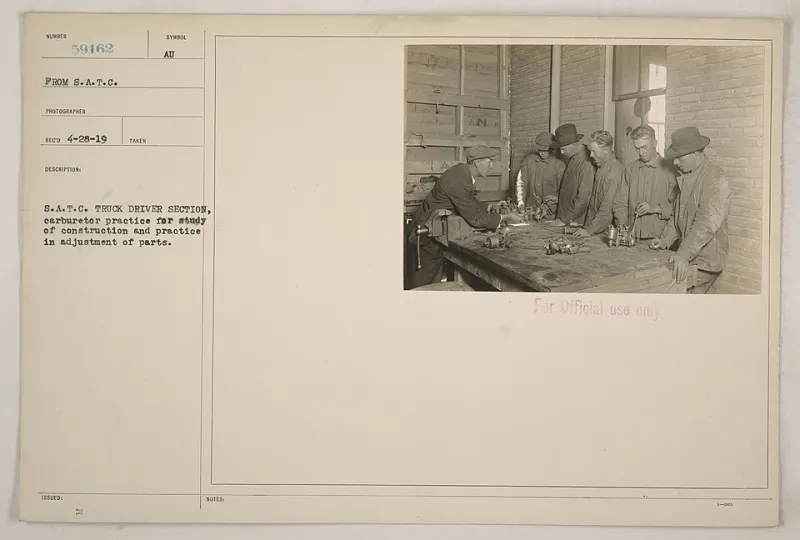
Professional lessons provide the foundation: correct technique, neutral feedback, a curriculum that covers what parents forget. Family practice provides the volume: real hours, in real conditions, in the actual car the teen will drive. One without the other is a weaker package.
Making the Combination Actually Work
If you're a parent or a teen planning this out, a few ground rules go a long way:
- Let the pro set the sequence. Ask the instructor what to practice between lessons, and stick to that order. No highway merges in week one.
- Agree on a yelling ban. If the supervising parent feels the urge to shout, pull over first. Calm cars learn faster.
- Log everything. Most states require a supervised-hours log anyway. Use it to force variety: night driving, rain, rural roads, city traffic.
- Parents, refresh yourselves. Rules change. A quick skim of the current state driver's manual prevents you from confidently teaching something that stopped being true in 1998.
The Bottom Line
Mom in the passenger seat is a rite of passage worth keeping. But she works best as the supporting act, not the whole show. A few professional lessons cost money; skipping them costs something harder to measure — confidence, consistency, and a few bad habits that take years to unlearn.
Learn the technique from someone who teaches it for a living. Then go log those hours with your family, horns and all. That's how you get a driver who's calm on day one and safe on day three thousand.