The Real Price Tag of a Failed Road Test Nobody Talks About
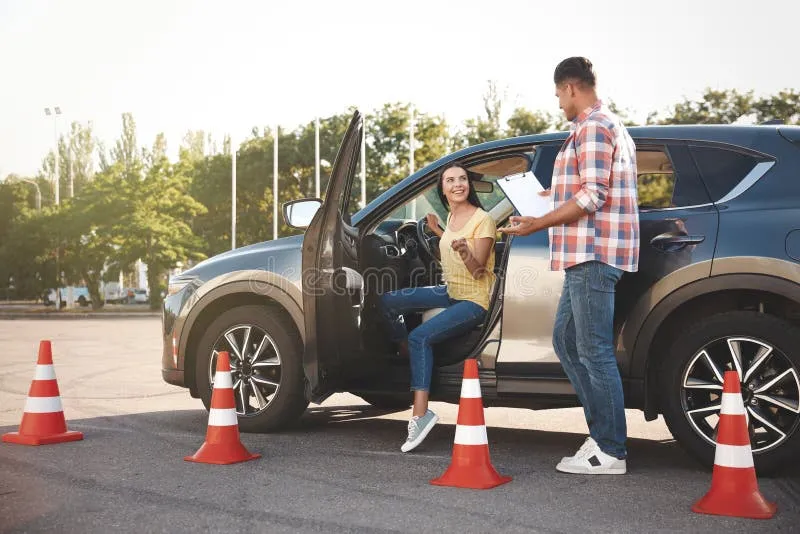
Photo: driving test examiner clipboard student driver car, via thumbs.dreamstime.com
Most people think failing a driving test costs them one thing: the retest fee. Twenty bucks here, thirty bucks there, depending on your state. Annoying, sure, but not exactly a financial catastrophe.
That's the version of the math most people do. It's also wrong.
When you add up everything that happens after an examiner shakes their head and hands back your permit, the real number is often in the hundreds — sometimes thousands — of dollars. And most of it is completely avoidable.
The Obvious Costs (That Aren't Actually Obvious)
Let's start with the retest itself. In most states, you'll pay a fee to schedule another attempt — anywhere from $7 in states like New York to $20 or more elsewhere. Some states make you wait days or even weeks before you can try again, which brings us to the hidden part of the ledger.
If you took lessons to prepare, you'll probably want more of them before attempt number two. A single hour with an instructor typically runs $50 to $100, and most people book two or three to fix whatever went wrong. That's $100 to $300 before you've even gotten back in the examiner's car.
The Costs That Don't Show Up on a Receipt
Here's where failing gets expensive in ways people don't anticipate.
Missed work and income. If you need a car to get to a job — or to get a job — every week without a license is a week of lost wages or lost opportunities. For a student relying on a summer job or someone starting a position that requires driving, a failed test can translate into real money that never hits your bank account.
Rides and favors. Until you pass, you're borrowing other people's time. Gas money for friends, bus fares, rideshare trips that add up fast. It's death by a thousand small payments.
Insurance timing. Some insurers offer better rates or full coverage options only once a licensed driver is on the policy. Delay that, and you may be paying more for the coverage you can actually use in the meantime.
Test-day logistics. Don't forget the practical stuff: another trip to the DMV, possibly taking time off work or school, and in some cases renting a car that meets test requirements if the family vehicle isn't available.
Stack it all up, and a single failed attempt routinely costs $300 to $600 in direct and indirect expenses. Fail twice, and you're approaching $1,000. That's not a fee. That's a car payment.
Why People Actually Fail
The frustrating part? Most failures come down to a short list of fixable mistakes that examiners see every single day:
- Rolling stops. Not coming to a complete halt at stop signs. This is the number one killer.
- Not checking mirrors or blind spots when changing lanes or merging. Examiners notice instantly whether your head actually turns.
- Speed mismanagement — going too fast in a school zone or crawling suspiciously under the limit on a main road.
- Poor observation at intersections, especially unprotected left turns.
- Nerves-driven errors like stalling out, overcorrecting, or forgetting basic signals.
Notice something? None of these require talent. They require practice, feedback, and someone pointing them out before the stakes are real.
The Cheapest Test Is the One You Take Once
Here's the comparison nobody makes until it's too late. Professional instruction might cost $300 to $500 for a solid package of lessons. That sounds like a lot until you put it next to the cost of failing: retest fees, additional lessons bought in a panic, lost wages, and months of being car-dependent on other people's schedules.
A good instructor does three things a nervous parent in the passenger seat can't:
- Teaches to the test, honestly. Examiners follow a rubric. A professional knows what's on it and drills exactly those skills.
- Catches bad habits early. That lazy rolling stop you've been doing for months? A parent normalizes it. An instructor kills it in lesson one.
- Simulates pressure. After hours of structured practice, the actual test feels like a review instead of an ambush.
A Quick Pre-Test Checklist
Before you book your road test, make sure you can honestly check every box:
- I come to a complete stop at every stop sign and red light, every time.
- I check mirrors and blind spots without being reminded.
- I've practiced the specific maneuvers my state tests — parallel parking, three-point turns, hill starts.
- I've driven in the area around the test center, including its trickiest intersections.
- I've done at least one full mock test under realistic conditions.
- I know I can pass on a bad day, not just a perfect one.
If you're shaky on any of these, that's your signal. One more lesson costs a fraction of one more failure.
Failing a driving test isn't shameful — plenty of good drivers needed two tries. But if you're going to invest in getting licensed anyway, it makes sense to invest once, up front, instead of paying for the same education twice. Learn it right the first time, and the cheapest test you'll ever take is the one you pass.