Snow Day, Learn Day: Building Your Own Winter Driving Curriculum
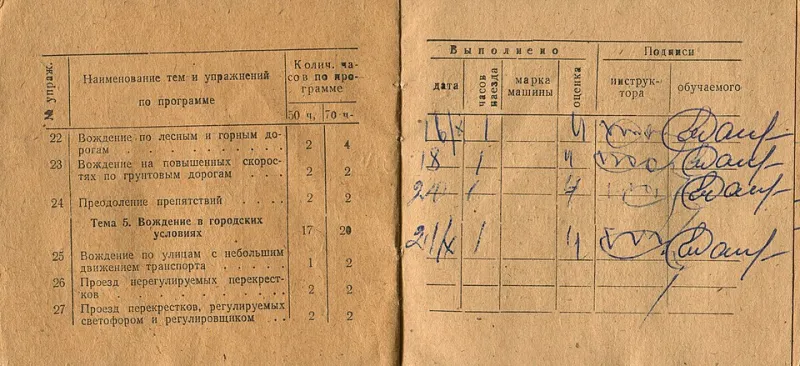
Photo: I, the copyright holder of this work, hereby publish it under the following license:, Public domain, via Wikimedia Commons
Here's a stat that should make you nervous: in most US states, you can pass your road test having never driven in snow, on ice, or through a single whiteout. Meanwhile, in Slovakia — and much of Europe — winter conditions aren't an elective. They're the curriculum. Driving schools there treat snow and ice as core material, because a license that only works in July isn't really a license.
The good news? You can build the missing chapter yourself. No formal program required — just an empty parking lot after a storm and a couple of deliberate practice sessions.
Start With the Skid, Not the Slide
The single most valuable winter skill is knowing what your car feels like just before it lets go. You can't learn that reading a manual. You learn it on a skid pad — a big, empty, snow-covered lot (an abandoned mall parking area works great) where you deliberately drive slow circles and gently provoke the rear end to step out.
Here's the drill:
- Go 10–15 mph in a wide circle
- Ease off the gas or tug the wheel slightly until the back starts to slide
- Look where you want to go, steer there, and resist the instinct to yank the wheel back
- Repeat until the correction becomes boring
The point isn't to become a rally driver. It's to rewire your panic response. When the rear slides on a real road, your hands should already know the answer.
Run the Brake-Distance Experiment Yourself
Every driver "knows" ice makes stopping harder. Almost none of them know by how much — and that gap is where crashes live.
In your practice lot, pick a fixed landmark. From about 20 mph, brake normally and note where you stop. Then do it again on packed snow, and again on ice if you can find it safely. The difference, felt in your own body, teaches more than any infographic.
While you're at it, practice threshold braking: squeeze the pedal firmly but smoothly, right to the edge of lockup (or let ABS do its chattering thing — many new drivers lift off the brake the first time ABS vibrates, which is exactly wrong). Hold the pedal down. Let the car work.
Master the Cold Start
Winter driving starts before the engine does. Build a routine:
- Clear everything, not just a porthole. Scraping a periscope-sized hole in the windshield is how blind-spot crashes happen. Clear the roof too — that ice slab becomes a windshield missile at 60 mph.
- Know your car's cold behavior. Modern cars don't need long idling, but they do need gentle driving for the first few minutes while oil circulates.
- Check tire pressure monthly. Cold air drops pressure roughly 1 PSI for every 10°F dip. Underinflated tires plus ice equals bad math.
Drive the Weather, Not Just the Road
The last layer is judgment. Slow down before bridges (they freeze first). Double your following distance, then add some. If your wipers can't keep up, your speed is wrong. These sound obvious — and they are, once you've practiced them. That's the whole point.
Slovak driving schools don't produce winter wizards. They produce drivers who've simply been there before. You can give yourself the same gift this season: one stormy day, one empty lot, and a couple of hours that might quietly save your life.