Stick Shift Season: Why Your First Car Should Match the Gearbox You Learned On
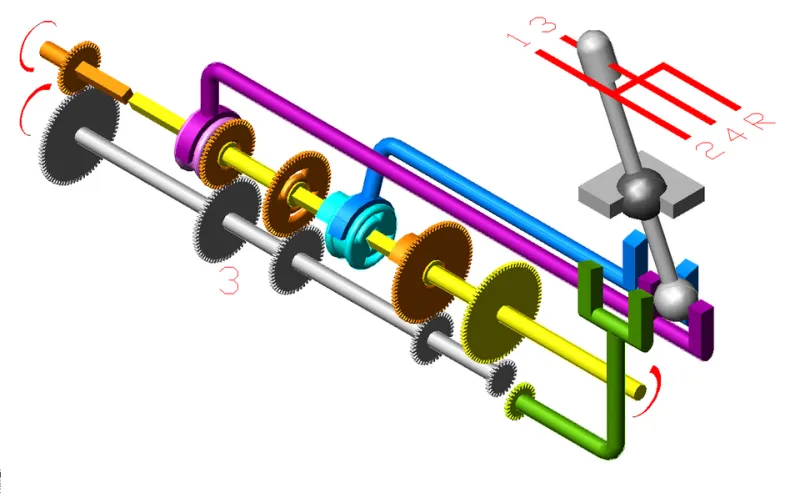
Photo: World arm lamp at English Wikipedia, Public domain, via Wikimedia Commons
Here's a fun statistic that doesn't get talked about enough at dinner tables: somewhere north of 95% of new cars sold in the US come with an automatic transmission, and roughly the same percentage of American teens learn to drive on one. Yet every year, thousands of new drivers find themselves behind the wheel of a manual — a borrowed truck, a used hatchback that was $2,000 cheaper, a delivery job with a stick-shift fleet — with zero hours of clutch experience.
That mismatch is what we call the two-pedal trap, and it deserves more attention than it gets.
The Gap Nobody Plans For
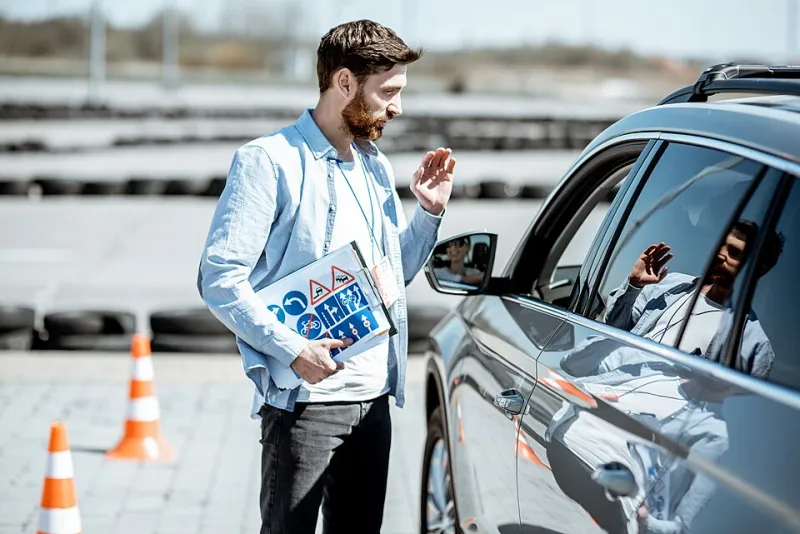
Driving schools in the US overwhelmingly teach on automatics. It's faster, it's cheaper, and honestly, it's what the market demands — most students show up having never touched a manual and have no plans to. Meanwhile, the skills gap quietly grows. Manual transmissions still dominate much of the world (Slovakia included, where learning on a stick is simply the default), and they still show up in American life in ways that surprise new drivers: work trucks, rental cars abroad, classic cars, emergency vehicles, and a surprising number of entry-level jobs that list "must drive manual" in the requirements.
So the question isn't really "should everyone learn stick?" It's "does the car you're about to own match the car you learned on?"
Why Your First Solo Month Is the Wrong Classroom
Let's be blunt: the first 30 days of solo driving are when your brain is running at full capacity just handling the basics. Lane position, intersection scanning, merging, dealing with that one guy tailgating you on a two-lane road. Adding a clutch into that mix means you're learning two entirely separate skills at once, and one of them will suffer.
Stalling at a red light with an instructor beside you is embarrassing. Stalling at a red light alone, with a line of cars behind you and no one to talk you through the restart, is the kind of moment that makes new drivers quit driving for weeks. We've heard the stories — they're not fun.
If you're going to learn manual, learn it deliberately: an empty parking lot, a patient teacher, and sessions where the only goal is smooth launches and not stalling. That's a curriculum, not an improvisation.
When Switching Actually Makes Sense
There are good reasons to add a third pedal to your life, and timing matters more than enthusiasm:
- Your first car is (or will be) a manual. Then it's not optional — get trained before you buy, not after.
- A job requires it. Delivery driving, farm work, some trades. Learn on the employer's time, ideally with their vehicle and someone experienced riding shotgun.
- You're moving abroad or traveling extensively. Renting a manual in Europe without knowing how to drive one is a vacation-ruining mistake.
- You just want the skill. Legitimate! But treat it like a separate course, not a weekend experiment.
If none of these apply, buying an automatic for your first car is not a failure of character. It's a decision that keeps your attention on the road instead of on your left foot.
The Car You Learn On vs. the Car You Own
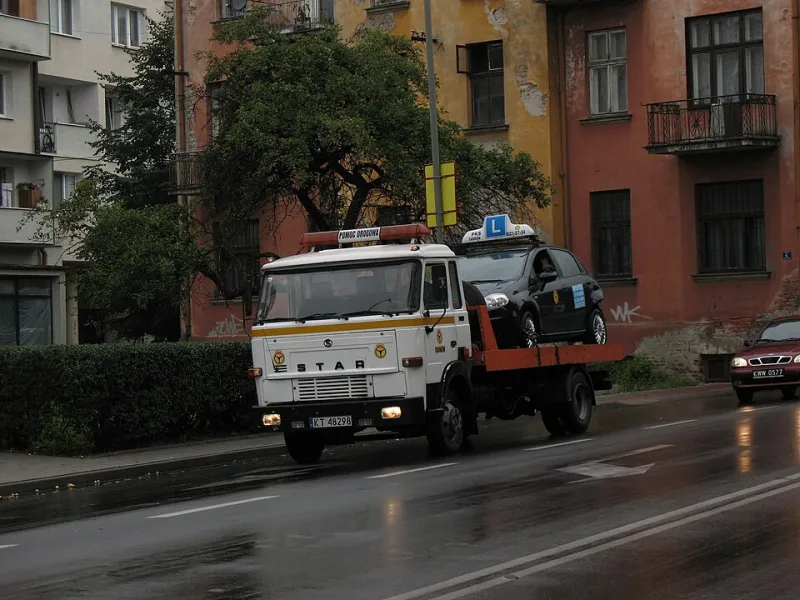
Here's something driving schools know well: the training car is a controlled environment. Our cars are clearly marked, other drivers give them space, and they're maintained specifically to survive students. Your first personal car offers no such courtesies — and if it's a manual, it's your clutch, your repair bill, and your learning curve.
Riding a clutch poorly doesn't just make you stall. It burns the friction material, and a replacement can run $1,000 to $2,000 on many vehicles. That's a real cost for a skill you were supposed to pick up "eventually."
The Practical Playbook
If you learned on an automatic and you're car shopping:
- Buy the transmission you know for your first vehicle. Build real road experience first.
- Add stick later, deliberately. A few structured lessons in a manual will teach you more than a month of frustrated solo attempts.
- If you must learn on your own car, do it in stages. Parking lot week one. Quiet streets week two. Highway never, until launches are boring.
- Ask about it during driving school. Some schools (ours included) can arrange manual instruction if you know you'll need it. Speak up early.
The transmission debate gets framed as tradition versus progress, but that misses the point. The real question is simpler: what car will you actually be driving? Train on that, master the road first, and add the clutch when you can give it the attention it deserves. Your left foot — and your bank account — will thank you.